
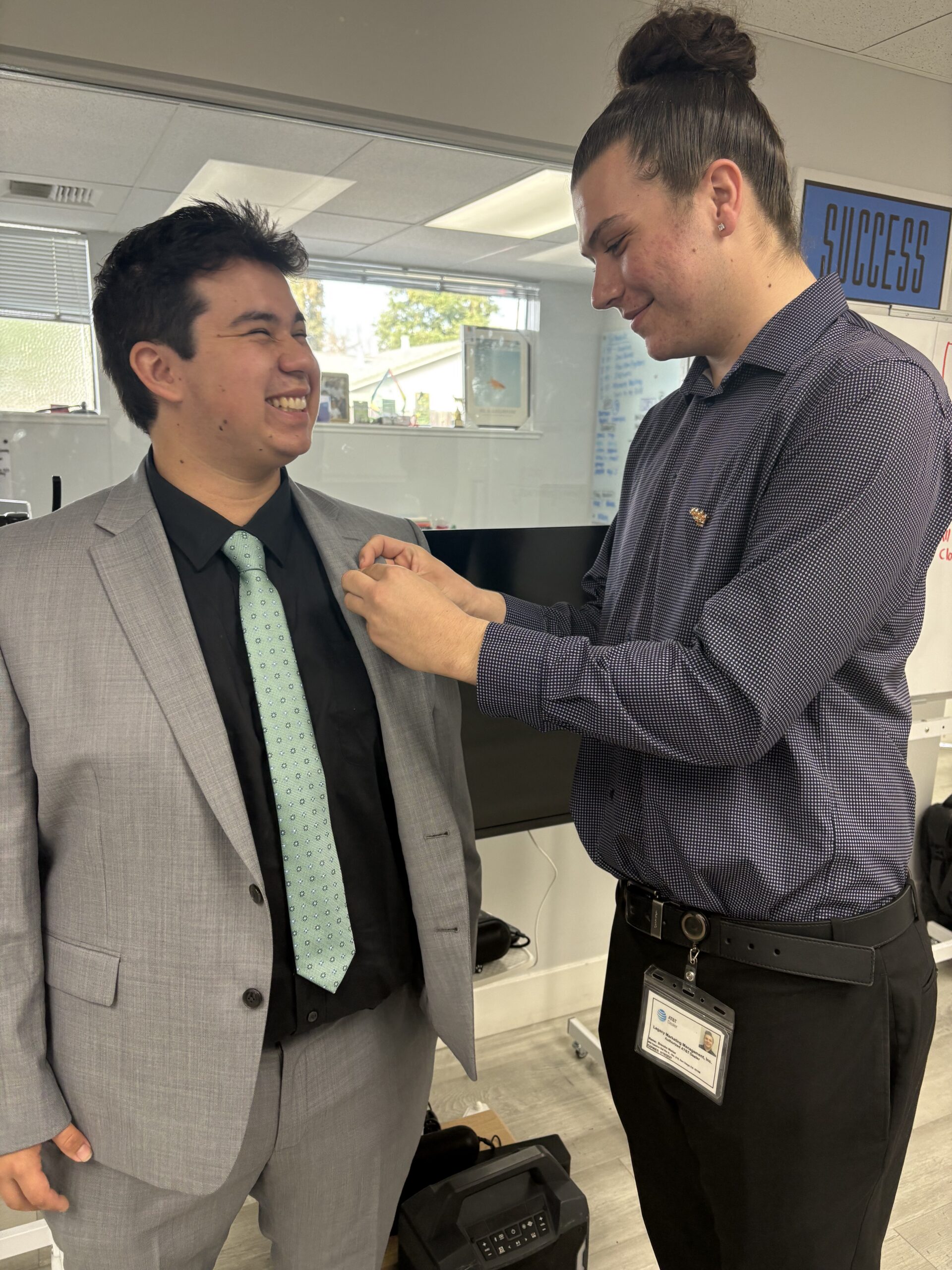
Leadership isn’t something professionals suddenly develop after receiving a promotion. Long before someone manages a team or oversees projects, they have opportunities to build the habits and skills that effective leaders rely on every day.
Early career experiences can play an important role in shaping these qualities. Roles that encourage professionals to communicate with different people, solve problems independently, accept feedback, and work toward measurable goals often provide valuable opportunities to develop leadership potential from the start.
For many young professionals, direct sales jobs offer exactly that kind of experience. While the primary responsibility may be connecting with customers and representing products or services, working in this field often requires individuals to think independently, adapt quickly, and take ownership of their performance, helping shape the leadership qualities employers value across industries.
Read below to learn how direct sales jobs build leadership skills early.
Leadership Begins With Everyday Responsibility
Leadership is often associated with supervising employees or making important business decisions. In reality, leadership starts much earlier through the choices professionals make each day.
Because direct sales professionals regularly interact with customers, work toward performance goals, and navigate new situations, they often have opportunities to demonstrate leadership long before holding a management title.
In the field, they build their leadership skills by:
- Taking initiative instead of waiting for direction: Seeking opportunities to engage customers, answer questions, or improve interactions without waiting for instructions.
- Managing responsibilities independently: Staying organized while managing schedules, customer interactions, and daily objectives throughout the workday.
- Following through on commitments: Keeping promises made to customers and completing assigned responsibilities consistently and on time.
- Demonstrating professionalism in customer interactions: Treating every customer with courtesy, respect, and professionalism regardless of the outcome of the conversation.
- Maintaining a positive attitude during challenges: Remaining composed and motivated even when conversations don’t go as planned, or goals take longer to achieve.
These everyday behaviors establish the foundation for future leadership opportunities. As these habits become consistent over time, they help professionals build the trust, dependability, and initiative that organizations often look for when identifying future leaders.
Communication Skills Strengthen Through Daily Experience
Strong leaders communicate effectively with a wide range of people. They explain ideas clearly, listen carefully, ask thoughtful questions, and adjust their communication based on the situation.
Direct sales offers consistent opportunities to practice these abilities because customer interactions happen regularly. Rather than relying on occasional presentations or meetings, professionals continuously refine their communication through real conversations every day.
Over time, they often become more comfortable:
- Speaking confidently with new people: Regular conversations help professionals become more comfortable initiating discussions and building rapport.
- Listening to understand customer needs: Active listening allows professionals to respond more thoughtfully and communicate with greater purpose.
- Explaining products or services clearly: Presenting information in a straightforward way helps ensure others understand key ideas and make informed decisions.
- Responding professionally to questions: Addressing questions respectfully and confidently demonstrates composure and credibility during conversations.
- Adjusting conversations based on customer feedback: Adapting communication to different situations helps professionals connect more effectively with a wide range of people.
These experiences help build confidence that extends well beyond sales conversations and supports success in many future leadership roles, where communicating clearly, building trust, and guiding others are everyday responsibilities.
Accountability Becomes Part of Daily Work
One characteristic shared by effective leaders is accountability. They accept responsibility for their work, measure progress, and continuously look for ways to improve.
Many direct sales environments encourage professionals to monitor their own performance and remain focused on personal goals. Instead of depending solely on external supervision, individuals often learn to evaluate their own progress.
This may include:
- Tracking personal performance: Monitoring individual results and daily activities to understand what’s working and where adjustments may be needed.
- Setting measurable daily or weekly goals: Establishing clear performance targets to help maintain focus and direction throughout the workweek.
- Reviewing results objectively: Evaluating outcomes honestly to identify both successes and areas that need improvement.
- Applying constructive feedback: Using guidance from managers and mentors to refine communication techniques and overall performance.
- Identifying opportunities for improvement: Looking for practical ways to strengthen skills, improve customer interactions, and achieve better results.
Developing accountability early helps professionals become more dependable contributors, regardless of the industry they eventually pursue.
Resilience Develops Through Real Challenges
Every career involves obstacles, setbacks, and situations that don’t go as planned. Professionals who learn how to remain focused despite these challenges often become stronger leaders over time.
Direct sales naturally exposes individuals to situations that require persistence. Not every conversation leads to success, and customer responses can vary significantly from one interaction to the next.
These experiences encourage professionals to:
- Viewing setbacks as learning opportunities: Reflecting on unsuccessful customer interactions to identify what could be improved in future conversations.
- Maintaining professionalism under pressure: Remaining courteous and respectful even when faced with rejection or challenging customer responses.
- Adapting their approach when necessary: Adjusting communication styles or techniques based on customer feedback and the situation at hand.
- Continuing to work toward their goals: Staying committed to daily responsibilities and performance objectives despite temporary setbacks.
- Building confidence through experience: Becoming more comfortable handling different customer interactions through repeated practice and continued learning.
Rather than avoiding challenges, professionals in the field learn how to navigate them constructively, a skill that becomes increasingly valuable as they take on greater responsibilities and leadership opportunities.
Leadership Skills Continue Paying Off Beyond Direct Sales
Some professionals remain in sales throughout their careers, while others transition into different industries. Either path can benefit from the leadership qualities developed through early sales experience.
For those asking, “Is direct sales a good career?”, the answer often depends on individual goals and interests. However, the leadership skills gained through direct sales experience remain valuable regardless of the career path someone ultimately chooses.
Professionals frequently apply these transferable skills in roles involving:
- Management
- Business development
- Customer success
- Marketing
- Recruiting
- Operations
- Entrepreneurship
Because leadership depends on communication, accountability, adaptability, and teamwork, experiences gained in direct sales often remain relevant long after someone moves into new opportunities.
Wrapping Up
Leadership develops through consistent practice rather than job titles alone. The experiences professionals encounter early in their careers often shape how they communicate, solve problems, work with others, and respond to challenges in the future.
For those still wondering how does direct sales help career development, direct sales jobs provide an environment where leadership qualities can develop naturally through everyday responsibilities. Whether someone builds a career in sales or pursues opportunities in another industry, the skills developed through direct sales can continue supporting professional growth for years to come.
Quick Highlights: How Direct Sales Jobs Prepare Young Professionals for Leadership Roles
- Leadership development in direct sales begins long before any management title, through daily habits like initiative, follow-through, and professionalism
- Constant customer interaction builds communication skills faster than roles where those conversations happen occasionally
- Direct sales environments encourage self-monitoring and goal-setting, making accountability a daily practice rather than a performance review topic
- Repeated exposure to rejection and setbacks in the field builds the resilience that becomes increasingly valuable in leadership roles
- The leadership skills developed in direct sales — communication, accountability, adaptability — transfer directly into management, operations, business development, and entrepreneurship
Check out Legacy Marketing Management’s blog page for more helpful guides like this.